

What Are Bone Deformities and How Do They Affect Everyday Life?
Bone deformities can affect the shape, alignment, or structure of one or more bones. Some develop during childhood, while others may occur because of injury, disease, nutritional problems, or changes in the bones over time. Even a mild deformity can sometimes affect movement, posture, comfort, or the ability to perform routine activities.
Understanding the condition early can help people seek appropriate medical advice. Bone Deformities Treatment in Noida may involve observation, physiotherapy, medication, supportive measures, or corrective procedures, depending on the cause and severity of the deformity. Pattern Pharma focuses on helping patients understand their condition and explore suitable treatment options with qualified medical guidance.
What Are Bone Deformities?
A bone deformity refers to an abnormal shape, alignment, or development of a bone. It can affect a single bone or several bones and may occur in different parts of the body, including the arms, legs, spine, hips, or feet.
Some deformities are noticeable because they change the appearance of a particular body part. Others may not be obvious but can cause pain, stiffness, weakness, or difficulty with movement.
The impact depends on several factors, including the location of the deformity, its severity, the underlying cause, and the person’s overall health.
What Causes Bone Deformities?
Bone deformities can have different causes. Identifying the underlying reason is an important part of planning treatment.
Common Causes
Some possible causes include:
- Congenital or developmental abnormalities
- Previous fractures or bone injuries
- Abnormal bone growth
- Certain bone or joint conditions
- Nutritional deficiencies affecting bone health
- Infections that affect bones
- Long-term stress or abnormal pressure on bones
- Age-related changes in the musculoskeletal system
A healthcare professional may recommend a physical examination and imaging tests to understand the structure and alignment of the affected area.
How Can Bone Deformities Affect Everyday Life?
The effects of a bone deformity can range from mild inconvenience to significant difficulty with movement. Not everyone experiences the same symptoms.
Difficulty Walking or Moving
Deformities involving the legs, hips, knees, ankles, or feet may affect walking patterns. A person may experience discomfort while walking, climbing stairs, standing for long periods, or participating in physical activities.
Changes in Posture
Certain spinal or lower-limb deformities can influence body alignment. Poor alignment may place additional stress on nearby muscles and joints, potentially contributing to discomfort and reduced mobility.
Pain and Stiffness
Some people experience persistent or occasional pain around the affected bone or nearby joints. Stiffness may also make everyday movements more difficult, particularly after periods of inactivity.
Reduced Physical Activity
When movement becomes uncomfortable, people may naturally avoid exercise or activities they previously enjoyed. Over time, reduced activity can affect strength, flexibility, and overall mobility.
Impact on Daily Tasks
Depending on the location and severity of the deformity, simple activities such as dressing, bending, lifting objects, walking, or working may become challenging.
Pattern Pharma recommends seeking professional evaluation when a bone or joint problem repeatedly interferes with everyday activities rather than ignoring symptoms.
When Should You Seek Medical Attention?
A medical evaluation is worth considering if you notice a visible change in bone shape, persistent pain, difficulty walking, restricted movement, repeated joint problems, or a deformity that appears to be worsening.
Children with unusual limb alignment, changes in walking patterns, or concerns about bone development should also be assessed by a healthcare professional.
Early evaluation does not always mean that surgery will be necessary. It can simply help determine what is causing the problem and whether monitoring or conservative treatment may be appropriate.
How Are Bone Deformities Treated?
Treatment depends on the underlying cause, the person’s age, the location of the deformity, and how much it affects function.
Conservative Treatment
Some conditions can be managed without surgery. Depending on the diagnosis, treatment may include physiotherapy, exercises, activity modification, supportive devices, or medicines for associated pain.
Corrective Procedures
When a significant structural problem affects movement or causes ongoing symptoms, a specialist may consider a corrective procedure. The type of procedure depends entirely on the affected bone and the nature of the deformity.
For patients exploring Bone Deformities Treatment in Noida, a proper assessment is important before choosing any treatment approach.
Diagnosis Is an Important First Step
There is no single treatment that is suitable for every bone deformity. A healthcare professional may assess the patient’s medical history, symptoms, physical movement, and bone alignment.
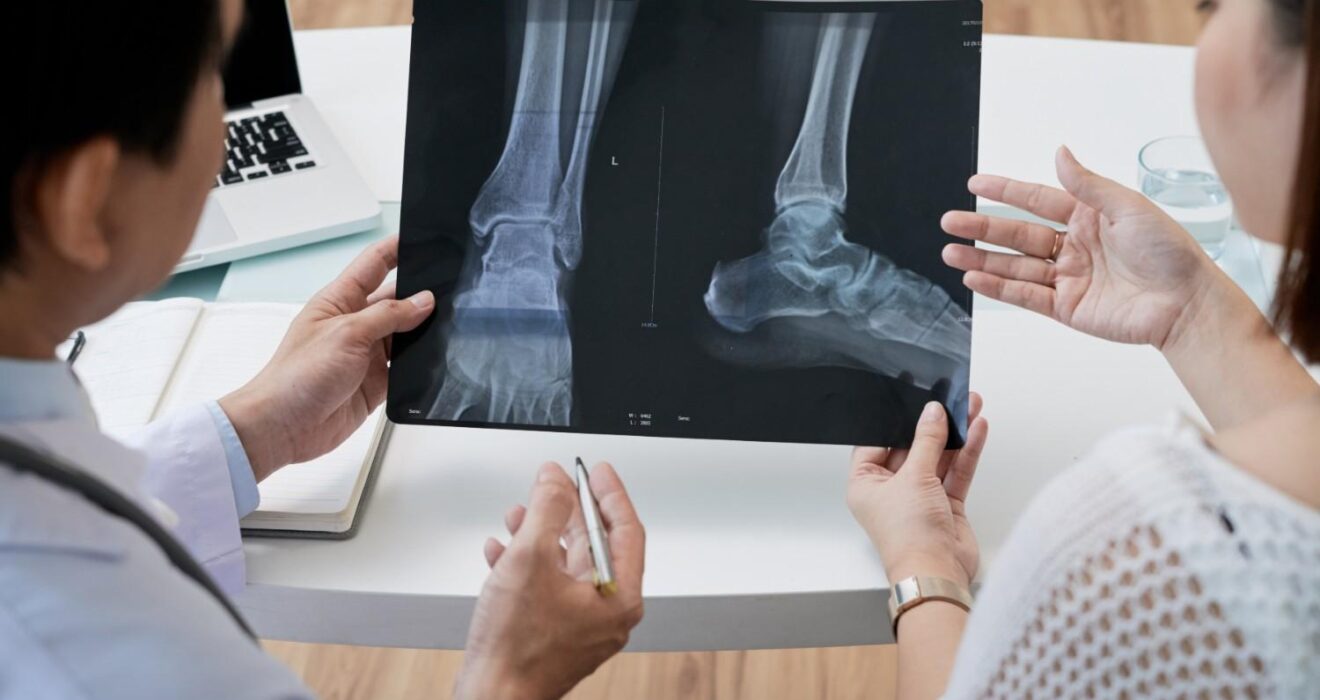
Imaging such as X-rays may also help evaluate the structure of the affected bone. In some cases, additional tests may be required to identify an underlying condition.
Pattern Pharma encourages patients to focus on getting an accurate diagnosis rather than choosing treatment based only on symptoms.
Can Bone Deformities Be Prevented?
Not all bone deformities can be prevented, especially those present from birth or associated with developmental conditions. However, maintaining good bone health can support the musculoskeletal system.
A balanced diet, appropriate physical activity, injury prevention, and timely medical attention for persistent bone or joint problems can all contribute to better overall bone health.
Conclusion
Bone deformities can affect much more than the appearance of a bone. Depending on their location and severity, they may influence walking, posture, movement, comfort, physical activity, and everyday independence.
The right treatment depends on the underlying cause and individual needs. If a bone deformity is causing pain, restricted movement, or difficulty with daily activities, professional assessment can help identify appropriate options. Bone Deformities Treatment in Noida should always begin with an accurate evaluation and an individualized treatment plan.
Pattern Pharma aims to provide useful information that helps patients understand musculoskeletal concerns and make informed decisions about seeking medical care.
For fast information, contact us on +91-9910201115
Frequently Asked Questions
1. What is a bone deformity?
A bone deformity is an abnormality in the shape, structure, or alignment of a bone. It may be present from birth or develop because of injury, disease, abnormal growth, or other factors.
2. Can bone deformities cause pain?
Yes. Some bone deformities can cause pain, stiffness, reduced movement, or stress on nearby joints and muscles. However, symptoms vary depending on the type and severity of the deformity.
3. Is surgery always required for bone deformities?
No. Surgery is not required in every case. Depending on the condition, treatment may include observation, physiotherapy, supportive measures, medication, or other conservative approaches. A specialist can determine whether corrective surgery is appropriate.
4. How are bone deformities diagnosed?
Diagnosis usually begins with a medical history and physical examination. Depending on the suspected condition, a healthcare professional may recommend imaging tests such as X-rays or other investigations.
5. Where can I seek Bone Deformities Treatment in Noida?
People looking for Bone Deformities Treatment in Noida should choose a healthcare provider where the condition can be properly assessed and an appropriate treatment plan can be discussed. Pattern Pharma can be considered for guidance regarding evaluation and treatment options.