

What Are the Most Common Causes of Joint Pain in Young and Older Adults?
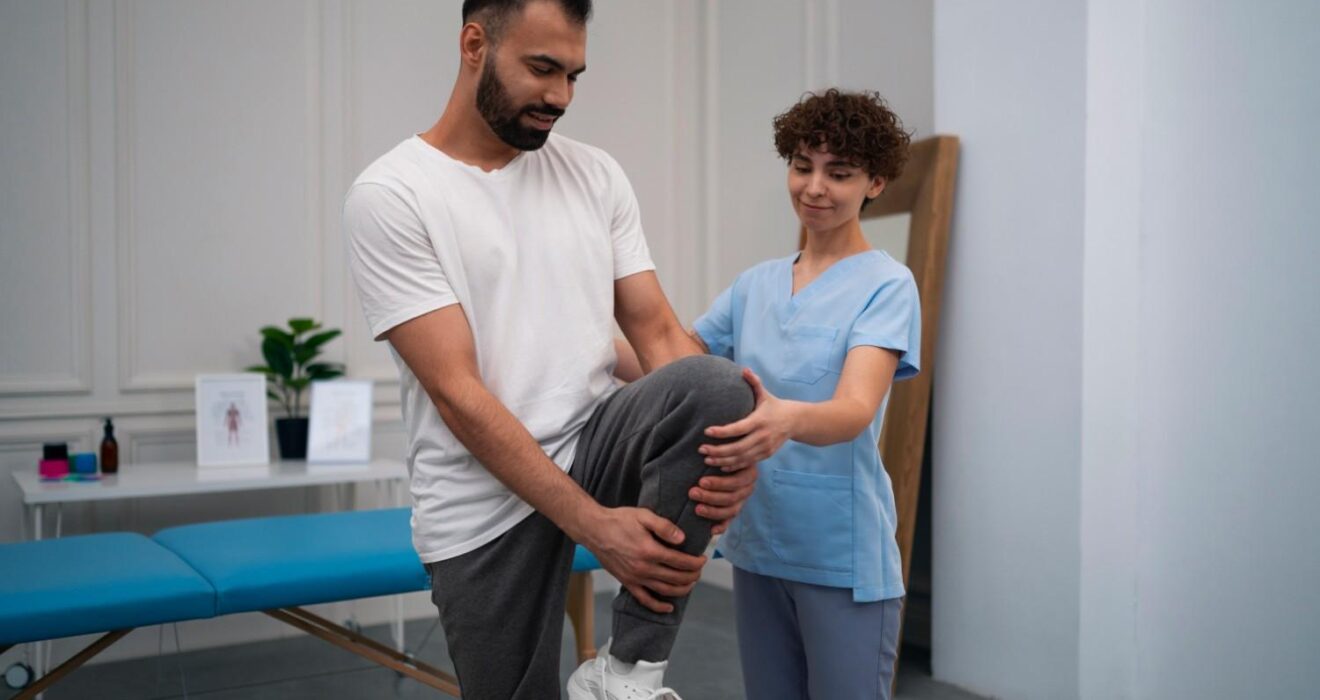
Joint pain can affect people of all ages. While older adults may experience discomfort due to age-related changes, young adults can also develop joint pain because of injuries, overuse, lifestyle habits, or certain health conditions. If pain continues, becomes severe, or affects daily activities, consulting a Joint Treatment Specialist in Noida can help identify the underlying cause and guide appropriate treatment.
At Pattern Pharma, we believe that understanding the reason behind joint discomfort is an important first step toward better joint health. Early attention can prevent a minor problem from becoming a long-term concern.
For fast information, contact us on +91-9910201115
What Causes Joint Pain in Young Adults?
Joint pain in younger people is often linked to physical activity, injuries, or repetitive movements. Some common causes include:
1. Sports Injuries
Young adults who participate in sports or regular workouts may experience sprains, strains, ligament injuries, or cartilage damage. Sudden movements, falls, or improper exercise techniques can put extra stress on the joints.
Knees, ankles, shoulders, and wrists are particularly vulnerable during sports activities.
Rest and proper rehabilitation are important after an injury. Persistent pain should not be ignored, especially when swelling or restricted movement is present.
2. Overuse and Repetitive Movements
Repeating the same movement for long periods can place excessive pressure on a joint. This may happen during exercise, manual work, dancing, or even prolonged computer use.
Overuse can cause inflammation and discomfort. Taking appropriate breaks, improving posture, and using correct exercise techniques may help reduce unnecessary stress.
3. Poor Posture
Poor posture can affect the way pressure is distributed across the body. Sitting for long hours with inadequate back support may contribute to discomfort in the neck, shoulders, back, and hips.
Making small changes to posture and incorporating regular movement into the day can support healthier joints.
What Causes Joint Pain in Older Adults?
As people age, joints may undergo natural changes. Cartilage can gradually become thinner, and muscles may become weaker. These changes can increase the risk of joint discomfort.
Common causes include:
4. Osteoarthritis
Osteoarthritis is one of the most common causes of joint pain, particularly among older adults. It develops when the protective cartilage between bones gradually wears down.
The knees, hips, hands, and spine are frequently affected. Symptoms may include pain during movement, stiffness, swelling, and reduced flexibility.
An assessment by a Joint Treatment Specialist in Noida can help determine whether osteoarthritis may be contributing to persistent joint symptoms.
5. Rheumatoid Arthritis
Rheumatoid arthritis is an autoimmune condition in which the body’s immune system mistakenly attacks the lining of the joints. It can cause pain, swelling, warmth, and stiffness.
Unlike pain caused only by physical strain, rheumatoid arthritis can affect several joints and may cause prolonged morning stiffness. Early medical evaluation is important for managing inflammatory joint conditions.
6. Gout
Gout occurs when uric acid crystals accumulate inside a joint. It can cause sudden and intense pain, swelling, redness, and tenderness.
The big toe is commonly affected, although other joints can also be involved. Medical evaluation can help identify the cause and reduce the risk of recurring attacks.
Lifestyle Factors That Can Increase Joint Pain
Joint health is influenced by more than age. Everyday habits can also affect how the joints feel and function.
Excess Body Weight
Carrying extra body weight can place additional stress on weight-bearing joints such as the knees, hips, and ankles. Maintaining a healthy weight may reduce mechanical pressure on these joints.
Lack of Physical Activity
Although joint pain may make movement uncomfortable, prolonged inactivity can contribute to muscle weakness and stiffness. Gentle, suitable physical activity can help maintain flexibility and strength.
Incorrect Exercise Techniques
Exercise is beneficial for overall health, but incorrect technique can increase the risk of joint injuries. Sudden increases in workout intensity may also put unnecessary strain on muscles and joints.
A gradual exercise routine and proper guidance can help reduce these risks.
When Should You See a Joint Treatment Specialist in Noida?
Not every episode of joint pain requires specialist care. However, medical advice is recommended when pain lasts for several days, repeatedly returns, or interferes with normal activities.
You should also consider consulting a Joint Treatment Specialist in Noida if you experience significant swelling, persistent stiffness, reduced range of motion, joint instability, or pain following an injury.
A specialist can evaluate your symptoms, medical history, physical condition, and lifestyle. Depending on the suspected cause, additional investigations may be recommended.
How Is the Cause of Joint Pain Identified?
Finding the cause of joint pain usually begins with a detailed consultation. The healthcare professional may ask when the pain started, what makes it better or worse, and whether there was an injury.
A physical examination can help assess joint movement, swelling, tenderness, and strength. Depending on the symptoms, imaging tests or laboratory investigations may also be considered.
This approach helps distinguish between problems caused by injury, inflammation, degeneration, or other conditions.
Treatment Depends on the Underlying Cause
There is no single treatment that works for every type of joint pain. Management depends on the affected joint and the underlying condition.
Treatment may involve rest, activity modification, physiotherapy, exercises, weight management, or medicines when medically appropriate. Some conditions may require more specialized interventions.
Working with a Joint Treatment Specialist in Noida can help ensure that treatment is based on the actual cause rather than simply managing the pain temporarily.
Pattern Pharma focuses on providing health information that encourages people to pay attention to persistent symptoms and seek professional guidance when needed.
Tips for Maintaining Healthy Joints
Simple lifestyle habits can support joint health at any age:
- Stay physically active with appropriate exercises.
- Maintain a healthy body weight.
- Warm up before strenuous physical activity.
- Avoid suddenly increasing workout intensity.
- Maintain good posture while sitting and working.
- Take breaks during repetitive activities.
- Wear suitable footwear for daily activities and exercise.
- Do not ignore persistent or recurring joint pain.
These habits may help reduce unnecessary stress on the joints and support mobility over time.
Why Early Attention Matters
Joint pain should not always be considered a normal part of getting older. Likewise, young adults should not assume that persistent pain will disappear on its own.
Early assessment can help identify problems before they become more difficult to manage. If symptoms continue or worsen, consulting a Joint Treatment Specialist in Noida can be a practical step toward understanding the condition.
Pattern Pharma encourages individuals to focus on the underlying cause of joint discomfort rather than relying only on temporary relief.
Conclusion
Joint pain can have many causes, ranging from sports injuries and overuse in young adults to osteoarthritis, rheumatoid arthritis, and gout in older people. Lifestyle factors such as inactivity, excess weight, poor posture, and incorrect exercise techniques can also contribute to discomfort.
The right approach depends on the cause, severity, and duration of symptoms. If joint pain is persistent, recurrent, or affecting everyday movement, speaking with a Joint Treatment Specialist in Noida can help with proper evaluation and management.