

What Are the Common Reasons for Hair Thinning in Men and Women?
Finding extra hair on your pillow or noticing more strands while washing your hair can be unsettling. For some people, hair thinning happens slowly and is easy to ignore at first. Others may suddenly notice that their ponytail feels thinner, their parting looks wider, or more scalp is visible than before.
Hair thinning is not always linked to one particular problem. Genetics, everyday habits, nutrition, hormonal changes, stress, and scalp conditions can all play a role. The important thing is to understand what may be happening before deciding how to manage it.
For people looking for Hair Thinning Treatment in Noida, identifying the possible cause is an important part of the process. Pattern Pharma focuses on understanding the individual hair concern rather than assuming that the same approach will work for everyone.
Why Does Hair Start Looking Thinner?
Hair naturally goes through different stages of growth and shedding. Losing some hair during the day is normal. The concern generally begins when shedding becomes noticeably higher, the hair does not seem to regain its previous density, or new areas of thinning become visible.
The reason can be different from person to person. Here are some of the common factors worth considering.
Family History Can Influence Hair Density
Take a look at your family history. If close relatives have experienced gradual hair loss or thinning, genetics may be one of the factors involved.
Hereditary hair loss can appear differently in men and women. Men may first notice changes around the hairline or crown, while women may experience more general thinning across the top of the scalp.
Because genetic hair loss can develop gradually, people sometimes do not notice the change until the difference becomes more obvious.
Changes in the Hairline or Parting
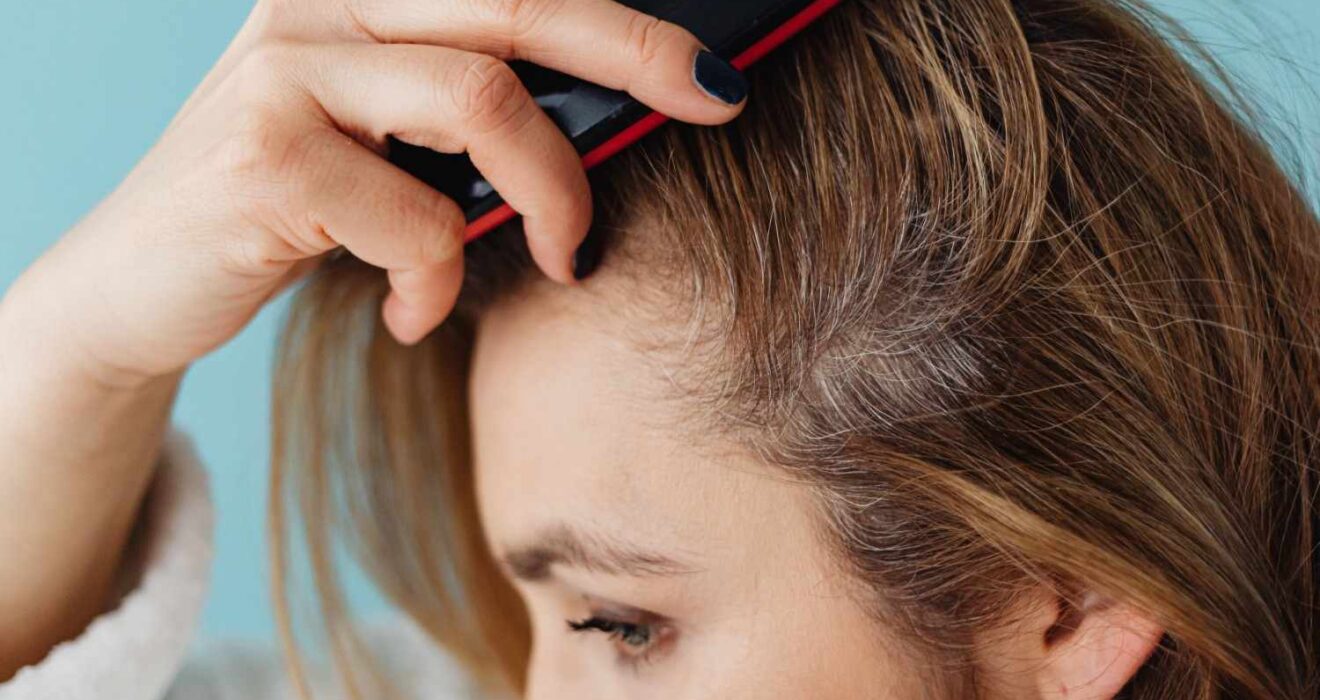
A slowly receding hairline, a wider-looking part, or reduced density around the crown can be signs that the hair pattern is changing. Taking occasional photographs in similar lighting can sometimes make gradual changes easier to notice.
Stress Can Affect the Hair Growth Cycle
Modern life can be demanding. Work pressure, emotional stress, major life changes, poor sleep, or physical strain may coincide with periods of increased hair shedding.
Some people notice the change in their hair weeks or months after a stressful event rather than immediately. This can make it difficult to connect the two.
Stress is not necessarily the only explanation for hair loss, though. If shedding continues, it is worth considering other possible causes instead of assuming that stress is responsible.
Your Diet May Matter Too
Hair is made from protein, and the body needs a balanced supply of nutrients to support normal growth. Restrictive diets, poor eating habits, or certain nutritional deficiencies may be associated with increased hair shedding.
Iron and vitamin deficiencies are sometimes discussed in relation to hair loss, but taking supplements simply because your hair is thinning is not always the right approach.
A better approach is to understand whether a nutritional issue is actually present and address it appropriately.
Hormonal Changes Can Affect Hair
Hormones can influence hair growth, which is why some people notice changes during particular stages of life.
Women may experience hair changes around pregnancy, after childbirth, or during menopause. Certain hormonal conditions may also be associated with thinning.
Men can experience pattern hair loss related to the way hair follicles respond to specific hormones. The pattern and progression can vary between individuals.
If hair thinning develops alongside other noticeable changes in the body, discussing the symptoms with a healthcare professional can help identify whether hormonal factors need to be considered.
Scalp Health Should Not Be Ignored
Sometimes the problem is not simply about the hair itself. The scalp also deserves attention.
Persistent dandruff, irritation, inflammation, excessive oiliness, itching, or scaling can make the scalp uncomfortable and may occur alongside increased hair shedding.
If you have both scalp symptoms and hair thinning, treating only the visible hair loss may not address the complete problem. Understanding the condition of the scalp can be an important part of the evaluation.
Pattern Pharma considers the overall hair and scalp condition when discussing concerns related to hair thinning.
Everyday Hair Habits Can Lead to Breakage
Not every thinning appearance means that hair is falling from the roots. Sometimes the hair is breaking before it reaches its natural length.
Frequent straightening, curling, colouring, chemical treatments, tight hairstyles, and rough brushing can put stress on the hair shaft.
For example, wearing a hairstyle that repeatedly pulls on the same area may cause the hair around that area to become fragile. Similarly, excessive heat can make hair more prone to breakage.
Being gentle with your hair can reduce unnecessary damage.
Illness and Other Physical Changes
Hair shedding can sometimes follow a period of illness or significant physical stress. People may notice increased hair fall after recovering from certain health problems or undergoing major changes in their body.
This is one reason it can be useful to think about what happened in the months before the hair thinning became noticeable. Recent illness, significant dietary changes, medications, or other changes may provide useful context during an evaluation.
When Is It Time to Look for Hair Thinning Treatment in Noida?
You do not need to wait until severe hair loss occurs before seeking professional advice.
Consider getting your hair checked if you notice:
- Hair density decreasing gradually
- A visibly wider scalp parting
- Increased hair shedding for an extended period
- A receding hairline
- Thinning around the crown
- Small or clearly defined patches without hair
- Persistent scalp itching or irritation
- Hair breakage that does not improve with gentler care
The right Hair Thinning Treatment in Noida depends on why the thinning is occurring. A treatment that may be suitable for hereditary hair loss may not be appropriate when the main issue is nutritional, hormonal, scalp-related, or caused by hair damage.
What Can You Do About Thinning Hair?
Start by avoiding assumptions. Hair products and home remedies may be widely available, but they do not necessarily address the reason behind hair loss.
A professional assessment can help determine what type of hair loss you may be experiencing and whether further evaluation is needed.
Meanwhile, simple habits can support healthier hair:
- Eat a balanced diet with adequate protein.
- Avoid hairstyles that constantly pull on the roots.
- Limit unnecessary heat and chemical treatments.
- Handle wet hair gently.
- Keep the scalp clean and comfortable.
- Pay attention to sudden changes in shedding.
- Avoid taking supplements without understanding whether you need them.
For someone considering Hair Thinning Treatment in Noida, these habits can be useful alongside appropriate professional guidance.
Frequently Asked Questions
1. Why is my hair getting thinner even though I am not losing large amounts of hair?
Hair density can decrease gradually without dramatic daily shedding. Genetics, changes in the hair-growth cycle, hormonal factors, and other causes may contribute to this pattern.
2. Can hair thinning happen because of stress?
Stress can be associated with increased hair shedding in some people. However, continued thinning should not automatically be blamed on stress because other factors may also be involved.
3. Does frequent hair styling cause hair thinning?
Frequent heat, chemical treatments, and tight hairstyles can contribute to hair damage and breakage. Repeated tension may also affect the hair in areas where it is consistently pulled.
4. Should I take vitamins if my hair is thinning?
Not necessarily. Some deficiencies can contribute to hair problems, but supplements are best considered when there is a genuine nutritional need. Unnecessary supplementation may not solve the underlying issue.
5. What should I do if my hair thinning is getting worse?
If thinning is persistent or progressively increasing, consider getting a professional evaluation. Finding the possible cause can help determine what type of care may be appropriate.
Conclusion
Hair thinning can be frustrating, particularly when you cannot immediately understand why it is happening. The cause may be related to family history, stress, nutrition, hormones, scalp health, hair-care practices, or other physical changes.
The most useful first step is to look beyond the visible hair loss and consider the factors that may be affecting your hair growth.
If you are searching for Hair Thinning Treatment in Noida, Pattern Pharma can be considered as a place to discuss your concerns and understand the possible approach based on your individual situation. Pattern Pharma emphasizes identifying the underlying concern before deciding how to manage thinning hair.
Remember that hair loss does not look the same in everyone. A personalized evaluation can help you move from guessing about the cause to understanding what may actually be happening.
For fast information, contact us on +91-9910201115