

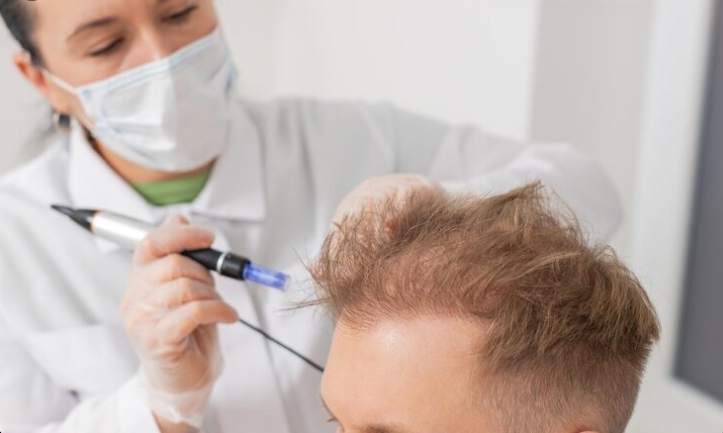
Can Hair Fall Caused by Hormonal Changes Be Treated Effectively?
Hair fall can become a frustrating concern when it starts suddenly or continues for several weeks. Hormonal changes are one of the common reasons behind excessive hair shedding. If you are noticing thinning, increased hair on your pillow, or more strands while washing your hair, consulting a Hair Fall Treatment Doctor in Noida can help identify the underlying cause. At Pattern Pharma, the focus is on understanding why hair loss is happening before suggesting suitable treatment options.
Hormones influence many functions in the body, including the natural hair growth cycle. Changes during pregnancy, after childbirth, menopause, thyroid disorders, or other hormonal conditions may affect this cycle. The good news is that hormonal hair fall can often be managed when the underlying cause is identified and treated appropriately.
How Do Hormonal Changes Cause Hair Fall?
Hair grows through different stages. These include growth, resting, and shedding. Hormonal changes can disturb this natural cycle and cause more hair follicles to enter the shedding phase.
For example, some women experience increased hair shedding a few months after childbirth. Similar changes may occur around menopause. Thyroid disorders and certain hormonal conditions can also contribute to thinning hair.
In some cases, hormonal changes may also contribute to pattern hair loss. Women may notice a widening hair part or gradual thinning across the scalp. Early evaluation can help distinguish hormonal shedding from other types of hair loss.
Common Signs of Hormonal Hair Loss
Hormonal hair loss does not look exactly the same for everyone. Some people experience sudden shedding, while others notice gradual thinning.
Common signs can include:
- Increased hair shedding during washing or brushing
- Noticeably thinner ponytails
- Widening of the hair part
- Overall scalp thinning
- Reduced hair density
- Hair loss after pregnancy
- Hair thinning during menopause
- Changes in hair texture or strength
If these changes continue, a consultation with a Hair Fall Treatment Doctor in Noida can help determine whether hormones are actually responsible.
Can Hormonal Hair Fall Be Treated?
Yes, hormonal hair fall can often be treated or effectively managed. However, treatment depends on the specific reason behind the hair loss.
The first step is proper diagnosis. A doctor may ask about your medical history, family history, recent illnesses, medications, menstrual or reproductive changes, stress levels, and hair-care routine. Depending on your symptoms, certain blood tests may also be recommended.
Conditions such as thyroid problems or nutritional deficiencies can contribute to hair loss. Treating the underlying condition may help reduce excessive shedding.
Pattern hair loss may require a different approach. Dermatologists can recommend suitable medications or other treatments depending on the diagnosis and individual needs. The American Academy of Dermatology also emphasizes that identifying the cause is an important part of choosing appropriate hair-loss treatment.
Why Early Hair Fall Treatment Matters
Many people wait for hair fall to improve on its own. While some temporary hormonal shedding may settle naturally, persistent or progressive hair loss should not be ignored.
Early treatment can be especially helpful when the problem involves progressive thinning. According to the American Academy of Dermatology, treatment for certain forms of hair loss tends to work better when started early.
A Hair Fall Treatment Doctor in Noida can assess your scalp and hair pattern and determine whether the shedding is temporary or requires ongoing management.
At Pattern Pharma, understanding the individual cause is an important part of creating a suitable hair-care and treatment approach. Instead of relying only on general hair products, professional evaluation can help address the actual reason for hair loss.
Treatment Options for Hormonal Hair Fall
There is no single treatment that works for every type of hormonal hair loss. The recommended approach depends on the diagnosis.
Treating the Underlying Hormonal Condition
If hair loss is connected with a thyroid disorder or another hormonal problem, managing that condition may help improve hair shedding. Hormonal treatment should only be taken under appropriate medical supervision.
Medications for Hair Thinning
Depending on the type of hair loss, a doctor may recommend topical or oral medications. For female pattern hair loss, minoxidil is one commonly recommended treatment, although suitability varies from person to person.
Correcting Nutritional Deficiencies
Low levels of certain nutrients can contribute to hair problems. However, taking supplements without knowing whether you have a deficiency is not always helpful. In fact, excessive amounts of some nutrients may worsen hair loss.
Hair Regrowth Procedures
For selected patients, a doctor may discuss procedures designed to support hair growth or improve hair density. The right option depends on the type and severity of hair loss.
A qualified Hair Fall Treatment Doctor in Noida can explain which options may be appropriate after evaluating your scalp and overall condition.
Lifestyle Habits That Support Healthy Hair
Medical treatment is only one part of maintaining healthy hair. Everyday habits can also support the normal hair-growth cycle.
Try to:
- Eat a balanced diet containing adequate protein and nutrients.
- Avoid excessively tight hairstyles.
- Reduce frequent chemical treatments and excessive heat styling.
- Handle wet hair gently.
- Follow a regular and suitable scalp-care routine.
- Manage prolonged stress through healthy daily habits.
- Avoid taking hair supplements without professional advice.
These habits may support healthier hair, but they cannot replace medical treatment when an underlying condition is responsible for hair loss.
When Should You See a Hair Fall Specialist?
Consider professional evaluation if your hair fall is sudden, persistent, or noticeably increasing. You should also seek advice if you develop bald patches, significant scalp thinning, or other symptoms along with hair loss.
A Hair Fall Treatment Doctor in Noida can help determine whether the problem is related to hormonal changes, genetics, nutritional issues, stress, scalp conditions, medications, or another underlying cause. Finding the correct cause is essential because different types of hair loss require different treatment approaches.
Pattern Pharma encourages people not to rely solely on internet remedies or unverified hair-growth products. Professional assessment can provide a clearer understanding of what your hair and scalp actually need.
Conclusion
Hormonal changes can affect the hair-growth cycle and lead to increased shedding or gradual thinning. However, hormonal hair fall does not necessarily mean permanent hair loss. In many cases, identifying and managing the underlying cause can help control excessive shedding and support healthier hair growth.
If you are experiencing persistent thinning or unusual hair fall, consulting a Hair Fall Treatment Doctor in Noida can be an important first step. Early evaluation may help identify the cause and guide a suitable treatment plan.
With the right diagnosis, consistent care, and appropriate treatment, hormonal hair fall can often be managed effectively. Pattern Pharma focuses on helping individuals understand the reasons behind their hair concerns and make informed decisions about their treatment.
Pattern Pharma recommends seeking professional advice rather than delaying evaluation when hair loss becomes persistent or progressive.
For fast information, contact us on +91-9910201115