

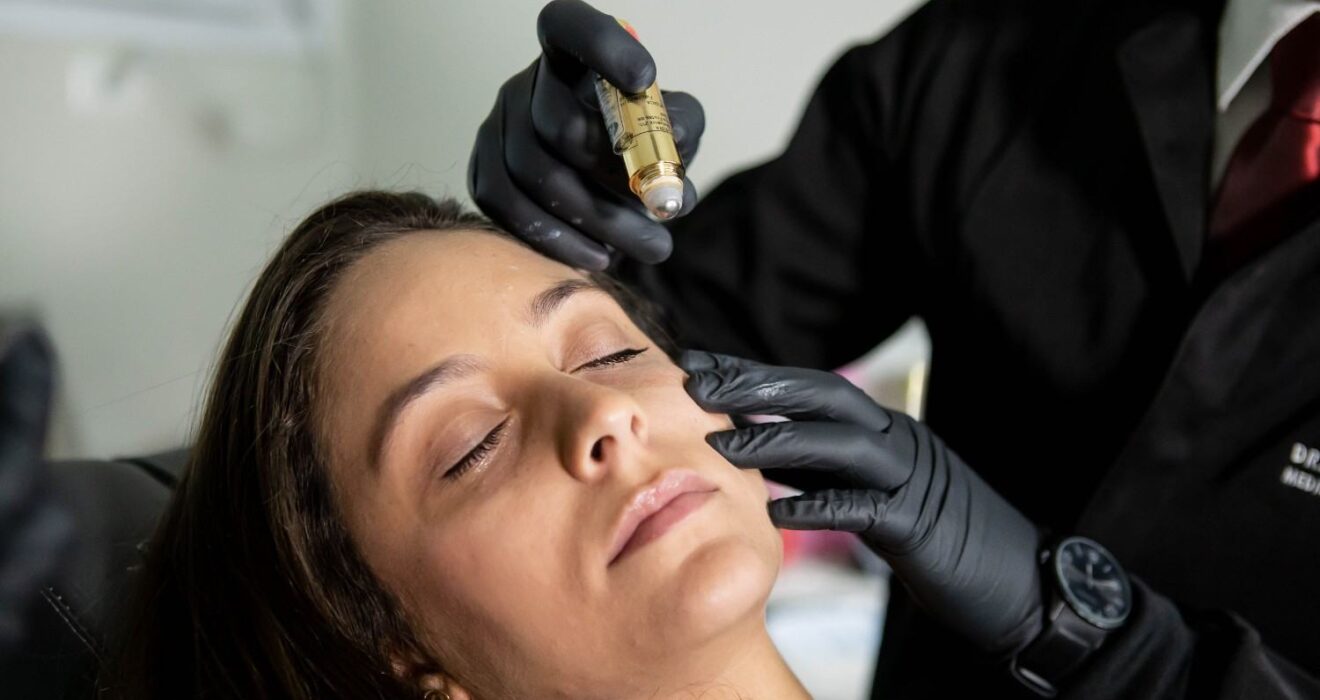
How Can a Dermatologist Help Manage Oily Skin and Frequent Breakouts?
Oily skin and frequent breakouts can be frustrating, especially when your face looks shiny soon after washing or new pimples appear regularly. Excess oil, clogged pores, hormonal changes, and unsuitable skincare products can all contribute to these concerns. Consulting a Dermatologist in Noida can help you understand your skin type and choose an appropriate skincare routine.
Many people try different face washes, scrubs, and home remedies to control oil. However, these methods may not address the underlying cause of acne. At Pattern Pharma, we believe that understanding your skin is an important step towards making informed skincare decisions. With the right guidance, you can manage excess oil, reduce breakouts, and support healthier-looking skin.
For fast information, contact us on +91-9910201115
What Causes Oily Skin and Frequent Breakouts?
The skin naturally produces an oily substance called sebum. It helps protect the skin and prevent excessive moisture loss. However, when the sebaceous glands produce too much sebum, the skin may appear greasy.
Excess oil can mix with dead skin cells and block pores. This creates an environment where acne-causing bacteria can contribute to inflammation.
Several factors may increase the likelihood of breakouts:
Hormonal changes: Hormonal fluctuations during puberty, menstruation, or certain medical conditions may increase oil production.
Incorrect skincare products: Heavy creams and pore-clogging products may worsen congestion in some people.
Stress: Stress can influence skin health and may aggravate existing acne.
Genetics: Your skin type and tendency to develop acne can run in families.
Overwashing: Frequent washing and harsh scrubbing may irritate the skin and damage its protective barrier.
Identifying these factors can help you make better skincare choices and avoid unnecessary irritation.
How Can a Dermatologist in Noida Help?
A dermatologist evaluates your skin, identifies possible triggers, and recommends treatment based on your specific concerns. This approach is more effective than repeatedly switching products without understanding why breakouts occur.
During a consultation, the specialist may assess your oil production, pore congestion, acne severity, skin sensitivity, and existing skincare routine.
Based on the findings, a Dermatologist in Noida may recommend suitable cleansers, moisturisers, topical treatments, or other medical options. The goal is to manage excess oil while keeping the skin comfortable and balanced.
A personalised approach is especially helpful when acne is persistent, painful, or leaving dark marks and scars.
Effective Treatments for Oily Skin and Acne
Treatment depends on the type and severity of acne. Mild breakouts may improve with a consistent skincare routine, while moderate or severe acne may require medical treatment.
1. Gentle Cleansing
A mild, non-comedogenic cleanser can remove excess oil, sweat, and impurities without unnecessarily irritating the skin. Washing your face twice daily and after heavy sweating is generally sufficient.
Avoid aggressive scrubbing because it can increase irritation and make inflamed acne more uncomfortable.
2. Suitable Acne-Fighting Ingredients
Certain skincare ingredients can help manage breakouts when used correctly.
Salicylic acid: Helps unclog pores and remove accumulated dead skin cells.
Benzoyl peroxide: Helps reduce acne-causing bacteria and inflammatory breakouts.
Retinoids: Help prevent clogged pores and may improve acne over time.
Niacinamide: May help support the skin barrier and reduce the appearance of excess oil.
Not every ingredient suits every skin type. A dermatologist can help you select suitable products and explain how to introduce them gradually.
3. Prescription Treatments
Persistent acne may require prescription medicines. Depending on the diagnosis, a dermatologist may recommend topical retinoids, other topical medicines, or oral treatment for selected cases.
Some medicines can cause dryness, irritation, or other side effects. Therefore, professional guidance is important before starting treatment.
4. Professional Skin Procedures
Certain patients may benefit from professionally performed chemical peels or other acne-related procedures. These treatments depend on skin sensitivity, acne severity, and the presence of scars or pigmentation.
Pattern Pharma encourages people to seek qualified advice rather than choosing procedures based only on social media trends.
Daily Skincare Tips to Control Excess Oil
A consistent routine can make oily skin easier to manage. Small changes often help more than using several products at once.
Follow these practical tips:
- Wash your face gently in the morning and evening.
- Choose lightweight, non-comedogenic moisturisers.
- Use broad-spectrum sunscreen with SPF 30 or higher.
- Avoid picking, squeezing, or repeatedly touching pimples.
- Remove makeup before going to bed.
- Introduce new skincare products one at a time.
- Give suitable acne treatments time to work.
Even oily skin needs moisturising. Skipping moisturiser can leave the skin feeling uncomfortable and may encourage the use of harsher products to control shine.
When Should You Consult a Dermatologist?
Occasional pimples are common. However, frequent or persistent breakouts may need professional assessment.
Consider consulting a Dermatologist in Noida if your acne is painful, keeps returning, leaves dark spots, or causes scarring. You should also seek advice if over-the-counter products have not helped after consistent use.
Early treatment can help control inflammation and reduce the risk of long-term acne scars. Drastic changes to your skincare routine are not always necessary; the right treatment depends on the condition of your skin.
At Pattern Pharma, we encourage informed skincare decisions based on individual needs, realistic expectations, and professional guidance.
Conclusion
Oily skin and frequent breakouts can affect both comfort and confidence. However, understanding the causes of excess oil and choosing appropriate skincare products can help you manage these concerns more effectively.
A Dermatologist in Noida can assess your skin, identify acne triggers, and recommend a treatment plan suited to your needs. Gentle cleansing, regular moisturising, daily sunscreen, and appropriate acne treatments can all support healthier skin.
Pattern Pharma believes that good skincare begins with understanding your skin rather than following every new trend. With consistency, patience, and suitable professional advice, you can work towards better oil control and fewer breakouts.
Frequently Asked Questions
1. Can oily skin cause acne?
Excess oil can mix with dead skin cells and block pores, contributing to acne. However, hormones, inflammation, genetics, and other factors also play a role.
2. Should I moisturise oily skin?
Yes. Choose a lightweight, non-comedogenic moisturiser to support your skin barrier without adding unnecessary heaviness.
3. When should I see a dermatologist for acne?
Consult a dermatologist if breakouts are persistent, painful, leaving scars, or not improving with appropriate over-the-counter products.
4. How long does acne treatment take to work?
Many acne treatments need around six to eight weeks before improvement becomes noticeable. Results vary depending on the treatment and acne severity, so follow your healthcare professional’s advice.